
Industrial Concrete Surface Preparation & Shot Blasting
In-house concrete surface preparation including shot blasting, diamond grinding, and mastic removal — we own all equipment, ensuring zero rental delays.
Get a Free Estimate20+
Years Experience
50+
In-House Installers
5.0 ★
Google Rating
24/7
Operations Support
The Foundation of Every Successful Floor Coating
Surface preparation is the single most important factor in floor coating performance. Industry data consistently shows that over 80% of coating failures are caused by inadequate surface preparation — not by the coating material itself. A premium epoxy system applied over poorly prepared concrete will delaminate, blister, and fail. A standard system applied over properly prepared concrete will perform for years. The preparation is what makes the difference.
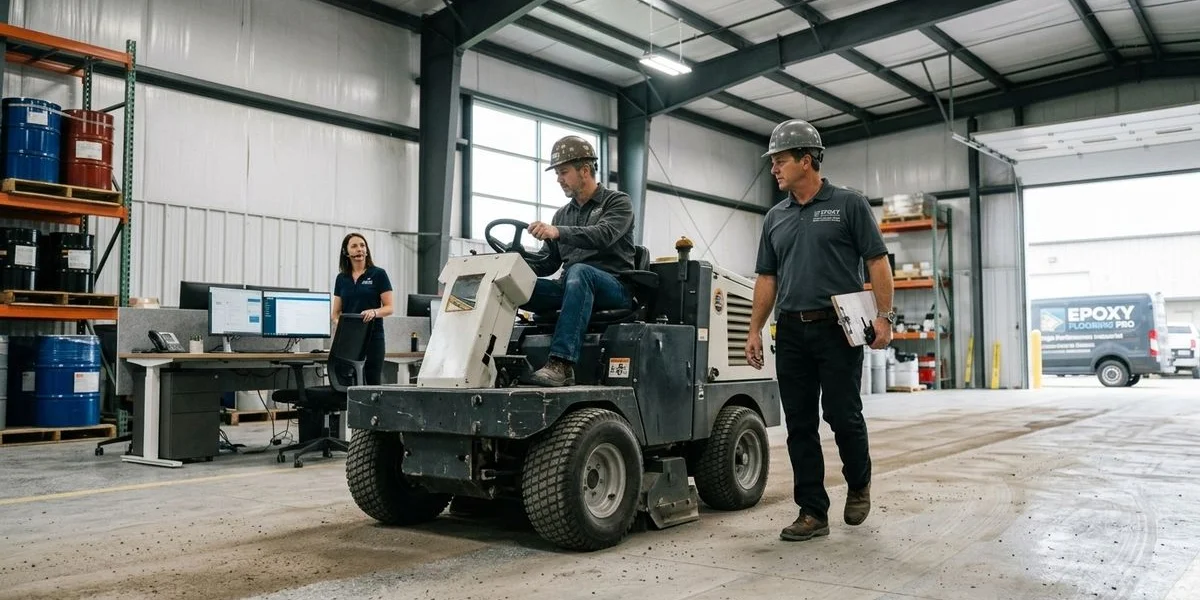
At Epoxy Flooring Pro, we take surface preparation so seriously that we own and maintain all of our heavy preparation equipment in-house. While competitors rent shot blasters, grinders, and scarifiers — and wait days or weeks for availability — we mobilize our own equipment on our schedule. This means faster project starts, consistent equipment quality, and operators who know their machines intimately.
Our Surface Preparation Methods
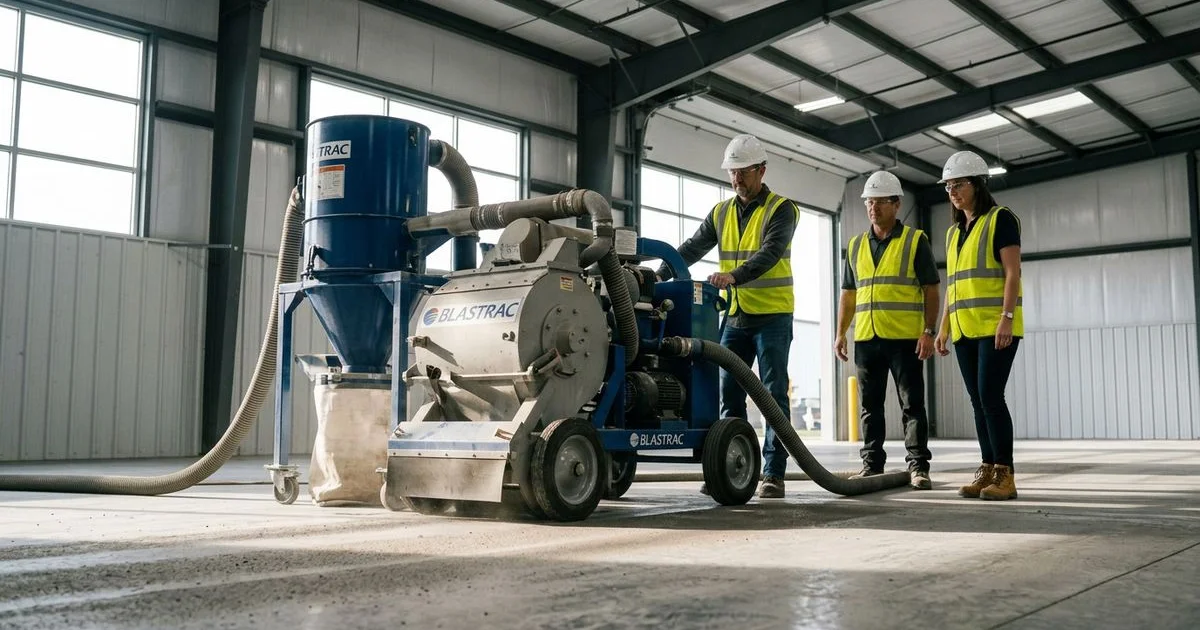
Shot Blasting
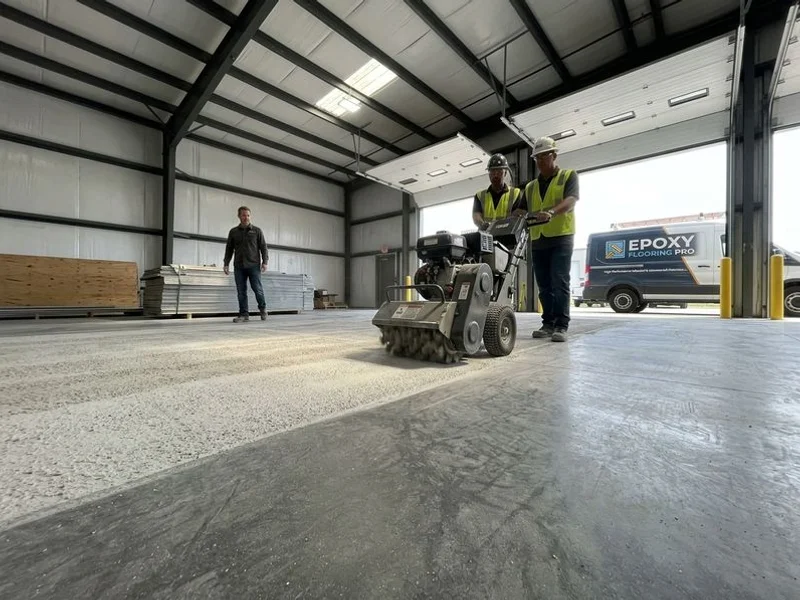
Shot blasting is the gold standard for large-area industrial surface preparation. Our ride-on and walk-behind shot blasters propel steel shot at the concrete surface at high velocity, simultaneously removing contamination and creating the mechanical profile required for coating adhesion. Shot blasting is ideal for:
- Large warehouse and manufacturing floors (5,000+ sq ft)
- Removing light coatings, sealers, and surface contamination
- Achieving ICRI Concrete Surface Profiles (CSP) 3-5
- Dust-free operation with integrated vacuum recovery
We own multiple shot blaster sizes to match the scale and access requirements of any project — from compact walk-behind units for tight spaces to high-production ride-on machines for 100,000+ sq ft facilities. For help choosing between these methods, see our shot blasting vs. diamond grinding comparison.
Diamond Grinding
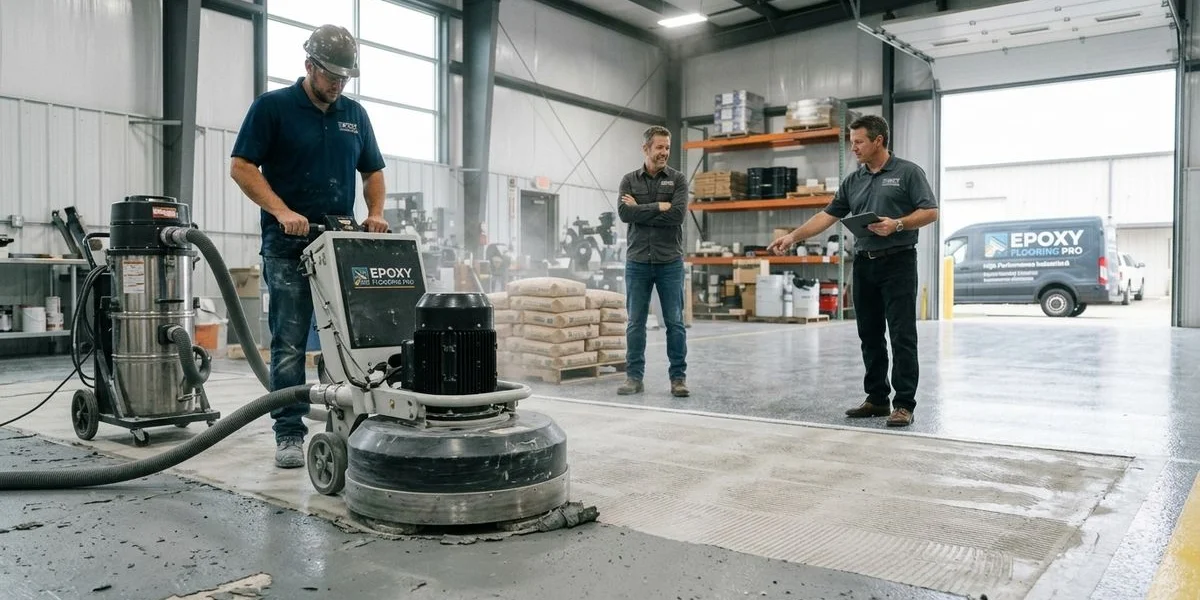
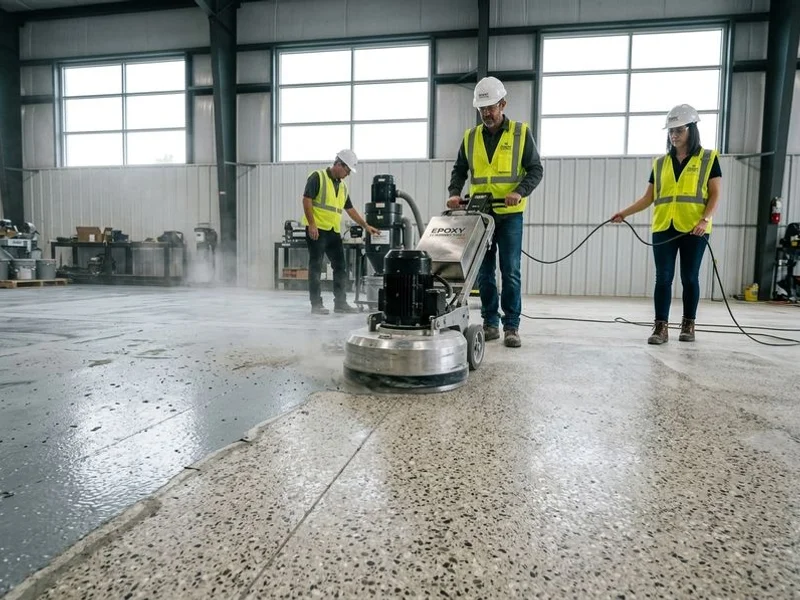
Diamond grinding uses rotating discs embedded with industrial diamonds to mechanically abrade the concrete surface. This method provides precise profile control and is particularly effective for:
- Removing thick coatings, adhesives, and mastics
- Flattening uneven or high-spot areas
- Polished concrete preparation
- Smaller areas and detail work around columns and edges
- Achieving ICRI CSP 1-3
Scarifying
Scarifiers use rotating cutters to aggressively remove concrete surface material. This method is reserved for situations requiring significant material removal:
- Removing thick overlays and toppings
- Aggressively profiling hard or dense concrete
- Leveling high spots and tripping hazards
- Creating deep profiles (ICRI CSP 6-9) for thick-build systems
Mastic and Adhesive Removal
Old tile adhesive (mastic), carpet glue, and cutback adhesive are among the most challenging contaminants to remove from concrete. Many of these materials contain oils that penetrate deep into the concrete pores, compromising coating adhesion even after the surface material is removed. We use specialized grinding diamonds and shot blasting techniques to remove these materials and the contaminated concrete beneath them.
ICRI Surface Profile Standards
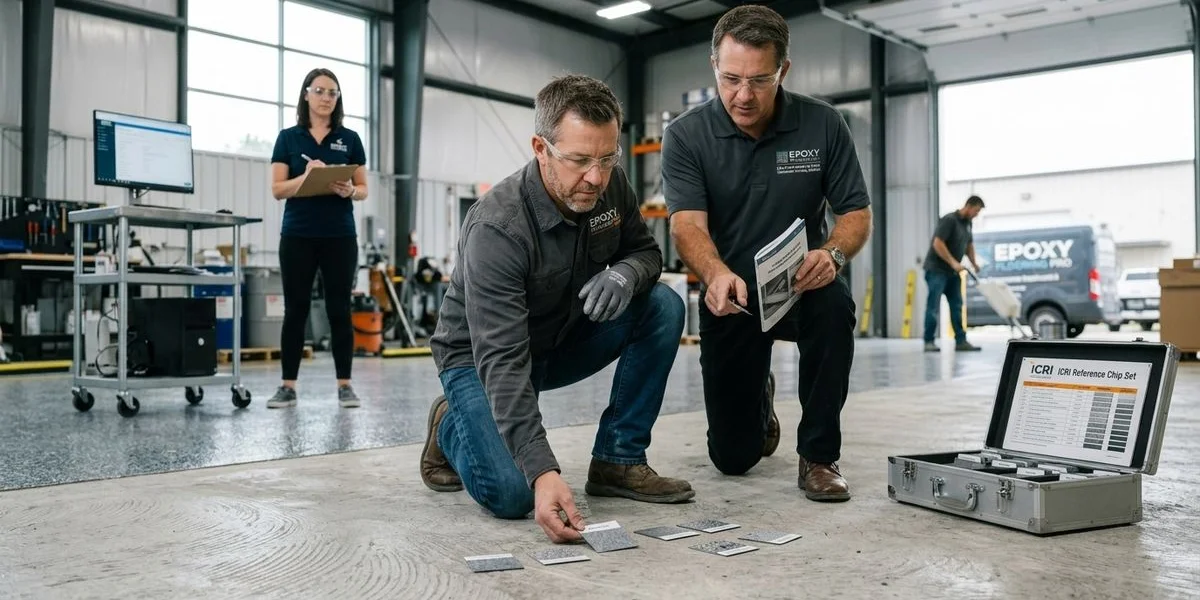
The International Concrete Repair Institute (ICRI) defines concrete surface profiles (CSP) on a scale of 1-10, representing progressively rougher textures. Each coating system requires a specific CSP range for proper adhesion:
- CSP 1-2 — thin-film sealers and stains
- CSP 2-3 — thin-film epoxy and urethane coatings
- CSP 3-5 — high-build epoxy and self-leveling systems
- CSP 5-7 — thick-build urethane cement and mortar systems
- CSP 7-9 — polymer overlays and broadcast systems
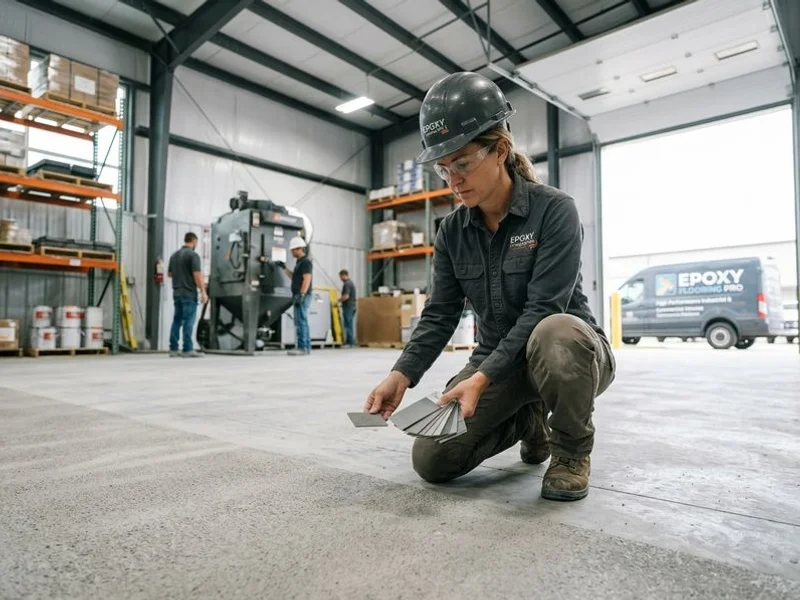
We verify the achieved profile on every project using ICRI surface profile chips — comparing the prepared surface to reference standards to confirm compliance before any coating is applied.
Moisture Vapor Transmission Testing
Before any coating application, we test the concrete for moisture vapor transmission (MVT) using ASTM F1869 (calcium chloride) and ASTM F2170 (relative humidity probe) methods. Excessive moisture is the second leading cause of coating failure after inadequate preparation. If MVT exceeds the coating manufacturer’s tolerance, we recommend moisture vapor barrier systems to remediate the issue before coating.
Our Equipment Advantage
Owning our own equipment provides several key advantages over competitors who rely on rentals:
- Immediate availability — no waiting for rental house inventory
- Maintained equipment — our machines are serviced on schedule, not beaten rental units
- Experienced operators — our crews run the same equipment daily, not unfamiliar rental models
- Correct equipment selection — we choose the right tool for the job, not what is available to rent
- Cost savings — no rental premiums passed through to the client
Request a Surface Preparation Assessment
Whether you need preparation for a new coating installation or removal of a failed existing system, our team evaluates the substrate condition and recommends the right approach. Contact us today for a free on-site assessment.
Project Gallery
Related Services
Concrete & Joint Repair
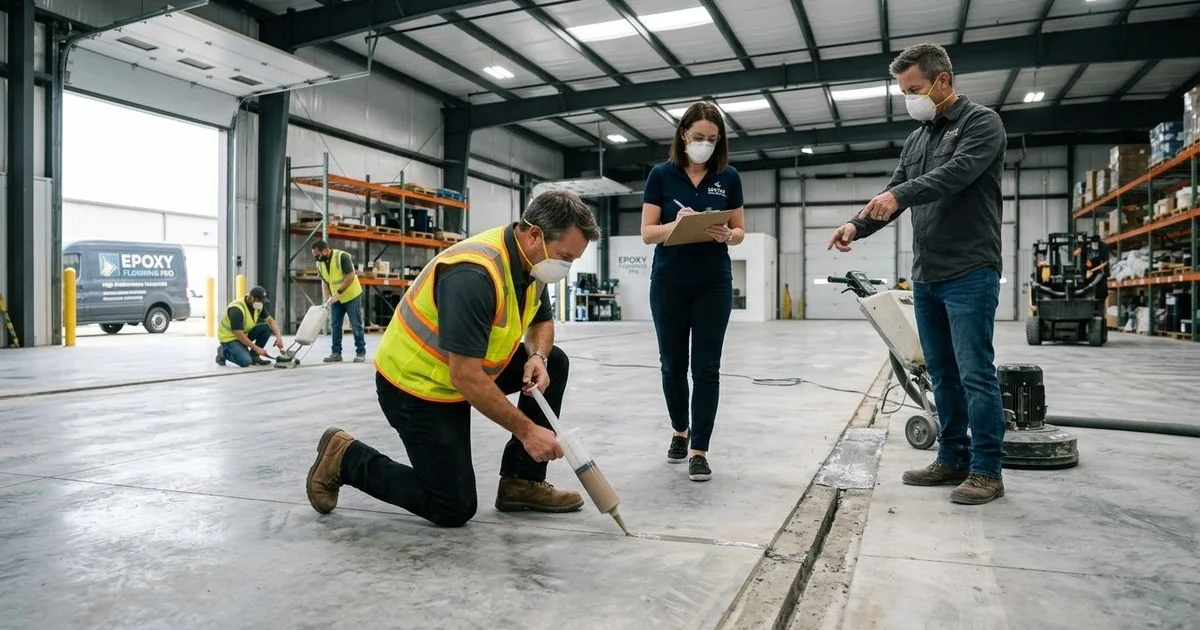
Structural concrete repair, crack bridging, and joint sealing that restores industrial floor integrity before coating application.
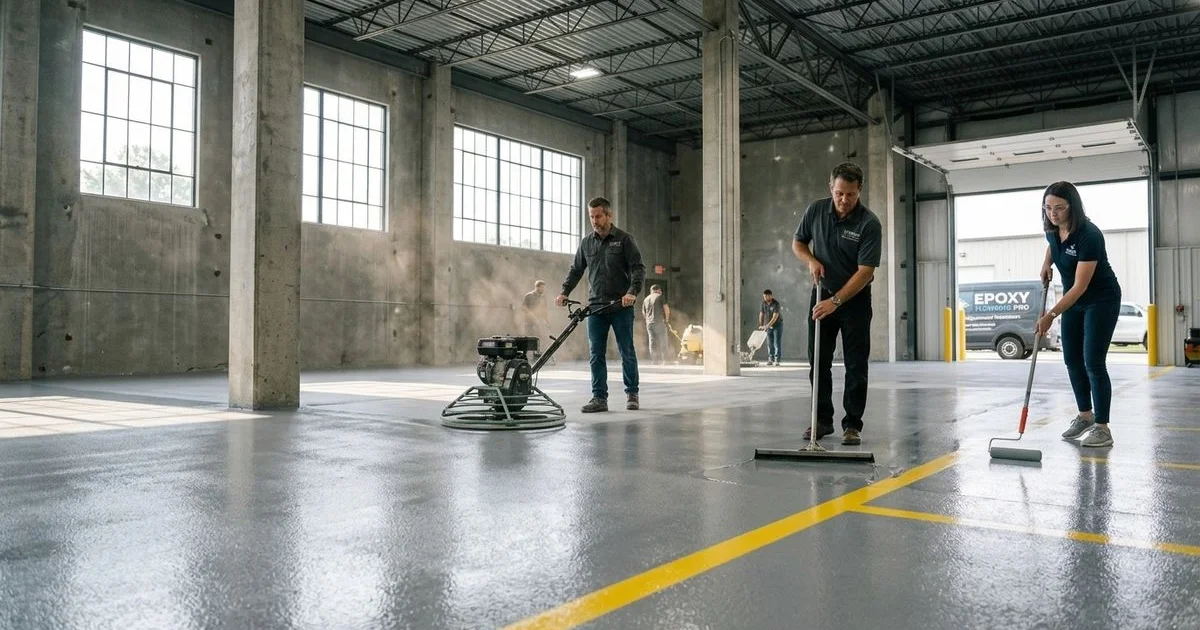
Epoxy & Urethane Flooring
Industrial-grade epoxy and urethane cement floor systems engineered for heavy traffic, chemical exposure, and continuous operations.
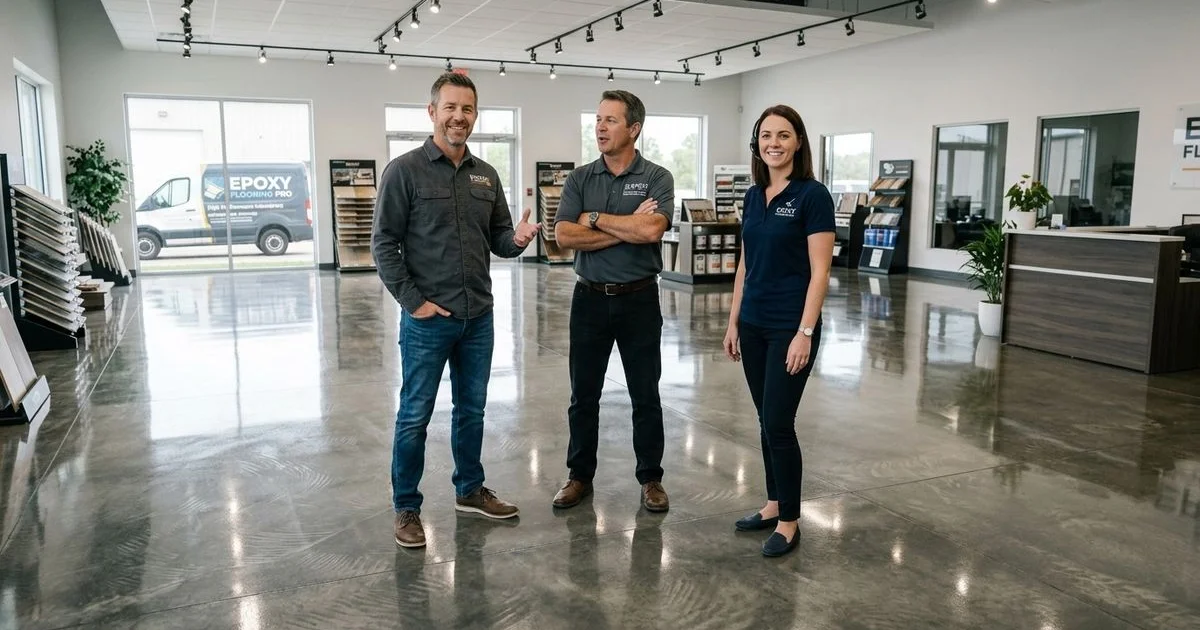
Polished Concrete
Sustainable, high-gloss polished concrete floors with diamond grinding for commercial and industrial applications.
Ready to Get Started?
Contact our team for a free on-site assessment. Available 24/7 with nationwide mobilization.